How to Use AI to Monitor Competitor Drug Labels and Approvals

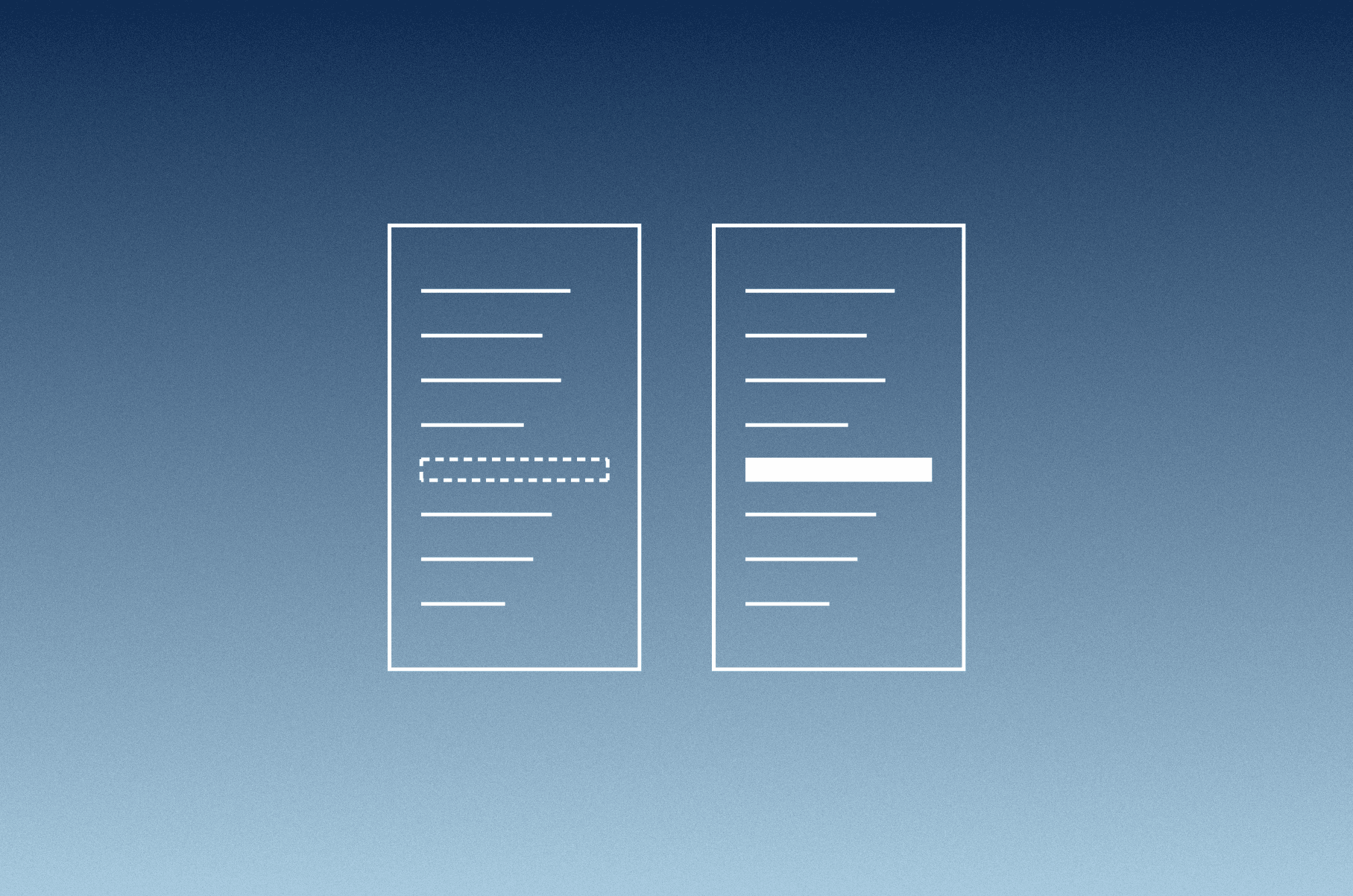
On January 13, 2026, FDA asked the holders of Saxenda, Wegovy and Zepbound to remove the warning on suicidal behavior and ideation from Warnings and Precautions. The request rested on a meta-analysis of 91 trials covering 107,910 patients and a Sentinel study. Two months earlier FDA had begun removing boxed-warning language on cardiovascular disease, breast cancer and probable dementia from menopausal hormone therapy labels. By February 12, 2026 it had approved new labeling for six of those products, and 29 companies had submitted proposed changes.
A change like either one affects more than the companies holding the labels. Another holder in the same class may get the same request. A sales aid that contrasts your safety profile with a competitor's may now be comparing against a warning that no longer exists. Medical information letters, the claims matrix and the core data sheet can all go out of date on the same day.
Catching these changes is mostly reading, across sources that each publish on their own schedule. AI is useful for that reading and for the matching that follows it. A person still decides what to do about each change.
Sources and update cadence
| Source | What it holds | How often it changes |
|---|---|---|
| DailyMed | Labeling as submitted to FDA, in SPL | RSS feed of the last seven days; daily, weekly and monthly update files |
| Drugs@FDA | Approval letters, labels and reviews | Daily; data files each weekday morning |
| SrLC database | Safety-related labeling changes to NDAs and BLAs since January 2016 | No stated cadence |
| Safety labeling change orders | Changes FDA required under section 505(o)(4) | As issued |
| Complete Response Letters | Why FDA did not approve an application | Published promptly since September 2025 |
| Orange Book | Approved drugs, patents, exclusivity, TE codes | Daily for new generic approvals; monthly cumulative supplements |
| Purple Book | Licensed biologics, biosimilars and interchangeables | New products within 10 business days of approval |
| AEMS, formerly FAERS | Adverse event reports | Dashboard in real time; quarterly data files |
| EMA | CHMP opinions, PRAC signal recommendations, product information | Monthly committee meetings; product information about two weeks after the Commission decision |
Each source has caveats. NLM does not review SPL before publishing it, and says DailyMed labeling "may not be identical to the most recent FDA-approved labeling." The SrLC database covers NDAs and BLAs only. It leaves out ANDAs, CBER products and OTC drugs, along with changes to the Indications and Dosage sections. The Orange Book and Purple Book answer different questions, which our Orange Book vs Purple Book guide covers.
Compare label versions section by section
Every SPL has a set ID that stays constant across versions and a version number that goes up with each change. DailyMed's web services return the version history for a set ID, so you can pull a competitor's previous label and the current one and compare them.
A plain text diff of two SPL files is noisy. Renumbered tables, moved paragraphs and reformatted headings all show up as changes. A model can separate the substantive changes from the editorial ones, report them by label section, and quote the old and new wording side by side. "Section 5.6 removed; Table 3 adds a new adverse reaction row" is useful. "The label was updated" is not.
Then work out the pathway. Under 21 CFR 314.70(c)(6)(iii), a sponsor can put a change that adds or strengthens a contraindication, warning, precaution or adverse reaction into effect when FDA receives the supplement, before approval. Most other labeling changes need prior approval under 314.70(b), and editorial changes go in the annual report. A strengthened warning can therefore appear on a competitor's label while FDA is still reviewing it. A safety labeling change order tells you FDA required the change. An SrLC entry tells you FDA approved a safety change, and in which section.
Map each change to your own documents
A competitor's label change matters to you through the documents of yours that rely on it. For each change, the question is which of them depended on the old wording.
- Comparative claims. 21 CFR 202.1(e)(6)(ii) treats an ad as misleading if it suggests a drug is safer or more effective than another without substantial evidence or substantial clinical experience. A comparison built on the competitor's warning needs another look once that warning is gone.
- Your claims matrix, which should already tie each promotional claim to its support. Recheck any row that cites the changed label.
- Class labeling. When FDA acts on a class, other holders can receive the same request. Read the matching section of your own label and your core data sheet.
- Medical information letters and payer dossiers that quote the competitor's label.
A model with access to your approved materials can do the matching: take the changed section, search your library for anything that relies on it, and list each document with the sentence at issue. Regulatory and medical then decide what to withdraw, revise or leave, usually through MLR review.
FDA's 2018 guidance on communications consistent with labeling applies two separate tests: whether the communication is consistent with the FDA-required labeling, and whether it is truthful and not misleading. A claim can pass the first and still fail the second, so a match against the new label is a starting point for review and does not settle it.
Read competitor approvals and refusals for precedent
Labels show what a competitor may say. Approval packages and refusals show what FDA asked of them. Drugs@FDA holds approval letters, labels and reviews for most products approved since 1998. FDA's novel approvals page listed 46 new drugs for 2026 as of October 9.
Complete Response Letters used to stay private. In July 2025 FDA published more than 200 CRLs for applications it later approved. In September 2025 it began publishing new CRLs promptly after issuing them, and released 89 more for applications still pending or withdrawn. A CRL to a competitor in your indication lists the deficiencies FDA cited, which is evidence about what it may ask of you. Our analysis of 445 CRLs and the CRL search cover the published set.
ClinicalTrials.gov adds the pipeline view. Its version 2 API reports status changes, new sites and revised completion dates for a competitor's trials, and a model can summarize what changed since the last run.
Treat adverse event counts as counts
FDA renamed FAERS the FDA Adverse Event Monitoring System (AEMS) in March 2026. Its public dashboard states that a report "does not establish causation", that duplicate and incomplete reports are in the system, and that "rates of occurrence cannot be established with reports." A rise in reports for a competitor's product can follow publicity or a label change as easily as a new risk.
A model can summarize what the reports describe and how many there are. Disproportionality analysis needs a defined method and belongs in your signal detection process. For competitor tracking, regulator conclusions carry more weight than raw reports. EMA's PRAC publishes its signal recommendations monthly, including the product information wording it recommends.
Set up the weekly run
A useful competitor watch starts with a defined list and a fixed output.
- The watchlist. Competitor products by application number and SPL set ID, their class, and your own products in the same indications.
- Sources per product. Drugs@FDA and DailyMed for US labels, the SrLC database and SLC orders for safety changes, CRLs and ClinicalTrials.gov for the pipeline, and EMA committee outputs for the EU.
- The output. For each change: product, label section, old and new wording, pathway if known, a link to the source, the documents of yours it touches, and an owner. A week with no changes should say so.
- Triage by a person, with the decision recorded, so the next run can tell a change already handled from a new one.
How Arca handles competitor and label monitoring
Arca's Regulatory Intelligence Watchlist playbook runs against a list of competitor products on the schedule you set, from hourly to monthly, and emails the results. It reads DailyMed labels, Drugs@FDA, published CRLs and openFDA adverse event data. The Label-Diff playbook compares a changed label with its prior version or a competitor's and maps each difference to your claims.
To compare a whole class at once, a Grid puts each label in a row and each question in a column, and cites every cell to the label section it came from. With Veeva Vault, SharePoint or Google Drive connected, the matching step searches your own documents where they already live.
For the device side of the same problem, see How to Use AI for Medical Device Post-Market Surveillance.
Frequently asked questions
Can AI tell me when a competitor's drug label changes?
Yes, if it runs on a schedule against a defined list. A scheduled run can pull the current SPL for each set ID from DailyMed, compare it with the version from the previous run, and report the changes by label section. A person decides what each change means for your own materials.
Does DailyMed show the FDA-approved label?
Not always. DailyMed publishes labeling as submitted to FDA, and NLM states it may not match the most recent FDA-approved labeling. Check Drugs@FDA for the approved version when it matters.
Can FAERS data show that a competitor's drug has a safety problem?
Not on its own. FAERS, now AEMS, is a spontaneous reporting system. FDA states that a report does not establish causation and that rates cannot be calculated from reports. Treat a rise in reports as a prompt for signal assessment.
Sources
- FDA, FDA Requests Removal of Suicidal Behavior and Ideation Warning from GLP-1 Receptor Agonist Medications, January 13, 2026: fda.gov
- HHS, HHS Advances Women's Health, Removes Misleading FDA Warnings on Hormone Replacement Therapy, November 10, 2025: fda.gov
- FDA, FDA Approves Labeling Changes for Menopausal Hormone Therapy Products, February 12, 2026: fda.gov
- NLM, About DailyMed and DailyMed web services: dailymed.nlm.nih.gov, dailymed.nlm.nih.gov
- FDA, SPL Implementation Guide (set ID and version number): fda.gov
- 21 CFR 314.70, Supplements and other changes to an approved NDA: ecfr.gov
- FDA, Safety Labeling Change Orders: fda.gov
- FDA, Drug Safety-related Labeling Changes (SrLC) Database Overview: fda.gov
- FDA, About Drugs@FDA and Novel Drug Approvals for 2026: fda.gov, fda.gov
- FDA, FDA Embraces Radical Transparency by Publishing Complete Response Letters, July 10, 2025: fda.gov
- FDA, FDA Announces Real-Time Release of Complete Response Letters, September 4, 2025: fda.gov
- FDA, Orange Book frequently asked questions: fda.gov
- FDA, Purple Book frequently asked questions: purplebooksearch.fda.gov
- FDA, AEMS public dashboard: fda.gov
- 21 CFR 202.1, Prescription-drug advertisements: ecfr.gov
- FDA, Medical Product Communications That Are Consistent With the FDA-Required Labeling, June 2018: fda.gov
- EMA, What we publish on medicines and when: ema.europa.eu
- EMA, PRAC recommendations on safety signals: ema.europa.eu
- ClinicalTrials.gov, Data API: clinicaltrials.gov